Tell Me How You Feel

Common Reasons to Receive Counseling

When Everyday Stress Becomes Too Much: How Counseling Can Help You Regain Control

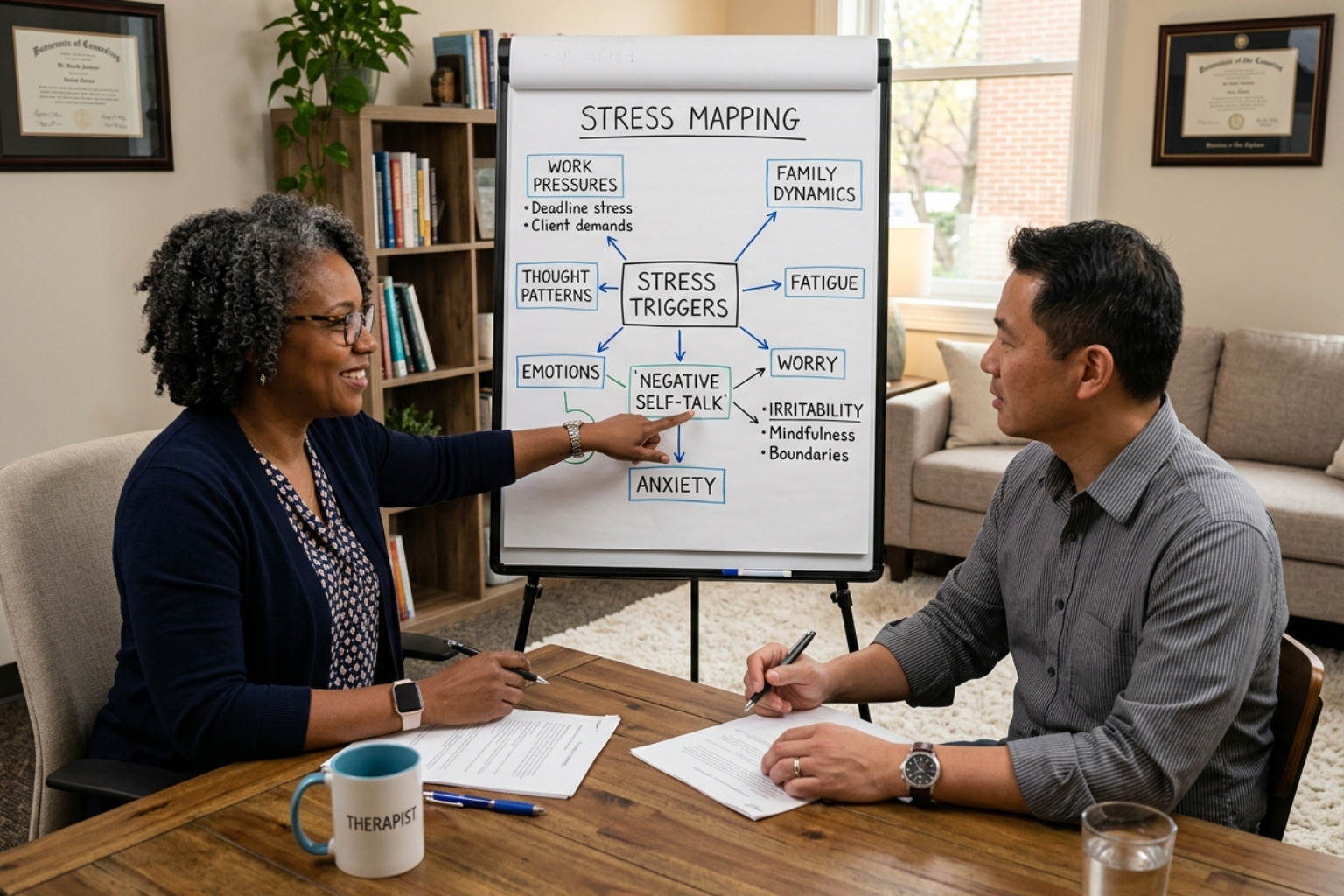
A demanding job, family responsibilities, financial worries, and unexpected changes can make even an ordinary day feel exhausting. At first, you may tell yourself that you simply need more rest or a little time to catch up. However, when stress becomes constant, it can begin affecting your sleep, relationships, concentration, and emotional health. Some people also turn to alcohol, drugs, or other unhealthy habits to get temporary relief. Counseling can help you understand why everyday stress feels unmanageable, address the concerns contributing to it, and develop healthier ways to handle life’s demands. With the right support, you can begin restoring emotional balance and making decisions that support your long-term well-being.

When Does Everyday Stress Become a Bigger Problem?

Stress is a normal response to pressure. It can help you prepare for a challenge, meet a deadline, or respond to an important responsibility. The difficulty begins when stress continues without enough time or support to recover.

For example, a busy week may leave you tired, but you might feel better after resting over the weekend. Chronic stress is different. It can follow you into your evenings, affect your relationships, and make it difficult to enjoy activities that once helped you relax.

Over time, ongoing pressure may contribute to anxiety, low mood, irritability, physical tension, and difficulty concentrating. It can also make existing mental health concerns harder to manage.

Signs Stress May Be Affecting Your Well-Being

It may be time to consider professional counseling if you regularly experience:

  • Feeling tense or overwhelmed, even when nothing urgent is happening.
  • Difficulty falling asleep, staying asleep, or feeling rested.
  • Irritability or emotional reactions that seem stronger than usual.
  • Trouble concentrating or making everyday decisions.
  • Withdrawing from friends, family, or activities you previously enjoyed.
  • Feeling unable to manage responsibilities that once seemed manageable.
  • Increasing reliance on alcohol, drugs, or other habits to relax.
  • A persistent sense that you are falling behind or losing control.

These experiences do not automatically indicate a mental health disorder. However, they can be signs that your current ways of managing pressure are no longer enough. Recognizing the difference between temporary stress and ongoing emotional strain can help you decide when additional support may be useful.

Why Ordinary Life Pressures Can Feel Overwhelming

Stress rarely comes from one source alone. Often, several responsibilities and emotional concerns build on one another until they become difficult to manage.

Understanding where the pressure comes from is an important part of finding an effective solution.

Work, Financial, and Family Responsibilities

Work demands can create a constant feeling of urgency. Deadlines, job insecurity, difficult workplace relationships, and the pressure to perform may leave little time for rest.

Financial concerns can add another layer of worry. Paying bills, managing debt, supporting family members, or facing an uncertain income can make it difficult to feel secure.

Family responsibilities may also become emotionally demanding. Caring for children or aging relatives, navigating relationship conflict, and trying to meet everyone’s expectations can leave you with little energy for your own needs.

Counseling can help you examine these pressures and identify which ones you can address directly. It may also help you recognize where boundaries, communication, or additional support could make daily life more manageable.

Major Life Changes and Uncertainty

Even positive changes can create stress. Starting a new job, moving, becoming a parent, ending a relationship, or entering a new stage of life can involve uncertainty and emotional adjustment.

When several changes happen close together, you may struggle to understand what you are feeling. You might experience excitement and fear at the same time, or feel guilty because you are not handling a situation as confidently as you expected.

A counselor can provide space to discuss these changes, explore your concerns, and work through decisions without feeling pressured to have everything figured out immediately.

How Counseling Can Help You Regain a Sense of Control

When stress becomes overwhelming, advice such as “just relax” or “think positively” rarely addresses the full problem. You may already know that you need rest or a better routine. What feels difficult is putting those changes into practice while dealing with everything else.

Counseling offers a more structured way to understand your experiences and identify realistic steps forward.

Separate What You Can Control From What You Cannot

One reason stress becomes exhausting is the feeling that every problem needs an immediate solution. Yet some situations are within your control, while others depend on circumstances or decisions outside your influence.

A counselor can help you examine these concerns and decide where to direct your energy.

For instance, you may not be able to change a difficult workplace situation immediately, but you might be able to establish clearer boundaries, plan a conversation with your supervisor, or explore other employment options. If family conflict is contributing to stress, you may work on expressing your needs and setting healthier expectations.

This process can make problems feel less overwhelming because it turns broad worries into specific areas for action.

Recognize the Thoughts That Increase Stress

Stress is influenced not only by what happens but also by how you interpret and respond to situations.

You might assume that making one mistake means you have failed completely. Perhaps you feel responsible for keeping everyone happy or believe that asking for help shows weakness. These thought patterns can increase pressure and make ordinary challenges feel impossible.

Counseling can help you examine these beliefs and consider more balanced perspectives. Instead of expecting perfection, you may learn to recognize progress, accept reasonable limitations, and approach problems one step at a time.

Develop Practical Emotional Regulation Skills

Emotional regulation means recognizing and managing your reactions rather than allowing intense feelings to determine every decision.

With counseling, you may practice skills such as:

  • Pausing before responding to a stressful conversation.
  • Identifying the emotions behind frustration or irritability.
  • Using breathing or grounding exercises during moments of tension.
  • Communicating needs clearly instead of avoiding difficult discussions.
  • Breaking large responsibilities into smaller, achievable tasks.
  • Recognizing when you need rest, assistance, or professional support.

These strategies are not intended to remove stress from your life completely. Instead, they can help you respond more thoughtfully when challenges arise.

The Connection Between Chronic Stress and Addiction

For some people, ongoing stress becomes connected to alcohol or drug use. A drink after work may seem like an easy way to unwind. Using substances may temporarily quiet anxious thoughts or make difficult emotions feel less intense.

However, temporary relief can develop into a repeated pattern. Over time, substance use may affect sleep, physical health, relationships, work performance, and emotional stability. It can also create additional stress through financial difficulties, conflict, or concerns about dependence.

When Substance Use Becomes a Way to Escape

It may be worth examining your relationship with alcohol or drugs if you notice that you:

  • Regularly use substances after stressful events.
  • Feel uncomfortable or restless when you cannot use them.
  • Need more to experience the same effects.
  • Hide your substance use from people close to you.
  • Continue using despite negative effects on your health or relationships.
  • Have tried to cut back but found it difficult to follow through.

These patterns deserve attention and support, not judgment. Addiction is a complex health concern, and it is rarely resolved by willpower alone.

Counseling can help explore the relationship between stress, emotional health, and substance use. When mental health concerns and addiction occur together, treatment should consider both rather than focusing on only one part of the problem.

People who may be physically dependent on alcohol or certain drugs should seek medical guidance before stopping. Withdrawal can sometimes be dangerous and may require medical supervision.

Finding the Right Level of Mental Health and Addiction Treatment

The right kind of support depends on your symptoms, personal circumstances, substance use history, and overall health. Some people benefit from counseling while continuing their daily responsibilities. Others need a more structured treatment environment.

Inpatient Care for More Intensive Support

Inpatient treatment may be appropriate for individuals who need a higher level of support for addiction or significant mental health concerns. A structured setting can provide time to focus on stabilization, treatment, and recovery while reducing exposure to some everyday pressures.

The appropriate level of care should be determined through a professional assessment, particularly when substance dependence, withdrawal risks, or safety concerns are involved.

Outpatient Care That Fits Daily Responsibilities

Outpatient treatment allows individuals to receive professional support while continuing to live at home and manage suitable responsibilities. Depending on the program and the person’s needs, it can provide ongoing counseling and recovery support without requiring a residential stay.

This option may be helpful for people who can safely manage their symptoms outside an inpatient setting. It can also provide opportunities to practice new coping skills in real-life situations.

The important point is that treatment should match the person, not force the person to fit a predetermined plan.

Why Holistic and Individualized Care Matters

Stress affects more than your thoughts. It can influence physical health, relationships, motivation, sleep, and your sense of purpose. For this reason, a holistic approach considers how different parts of your life interact.

Alongside appropriate mental health or addiction treatment, supportive habits may include regular physical activity, balanced meals, consistent sleep, meaningful hobbies, and healthy social connections. These practices can complement professional care, although they do not replace treatment when it is needed.

Including Faith and Personal Values in the Recovery Process

For people who value spirituality, faith-based support may provide encouragement, hope, and a stronger sense of purpose during difficult periods. Prayer, spiritual reflection, and connection with a faith community may offer comfort and help individuals reconnect with their personal values.

These forms of support should reflect each person’s beliefs and preferences. Not everyone approaches emotional wellness or recovery in the same way, and respectful care makes room for those differences.

Individualized treatment also recognizes that two people experiencing similar stress may need very different kinds of help. One person may need support with anxiety and work-related pressure, while another may need addiction treatment, help with family relationships, or support addressing past trauma.

A plan that considers these differences can make treatment more relevant and practical.

Small Steps You Can Take to Manage Daily Stress

Professional counseling can help you work through deeper concerns, but small changes in your daily routine may also support emotional well-being.

Consider starting with these practical steps:

  1. Identify your biggest sources of pressure. Write down the situations that create the most stress. Seeing them clearly can help you decide which concerns need attention first.
  2. Set realistic priorities. Focus on the responsibilities that genuinely need your attention today. Not every task has to be completed immediately.
  3. Protect time for recovery and rest. Make room for sleep, meals, movement, and activities that help you recharge.
  4. Communicate your limits. Let trusted people know when you need assistance or cannot take on additional responsibilities.
  5. Stay connected. Avoid handling every difficulty alone. Reach out to someone who can listen without judgment.
  6. Seek professional support when needed. If stress is affecting your health, relationships, or ability to function, consider speaking with a qualified mental health professional.

You do not need to make every change at once. Consistent, manageable steps can be more useful than setting expectations that leave you feeling even more overwhelmed.

Take the Next Step Toward a Healthier, More Balanced Life

Everyday stress can gradually affect how you think, feel, and relate to others. When pressure becomes constant, ignoring it or trying to push through may leave you feeling increasingly exhausted. Counseling gives you an opportunity to understand what is happening, address the concerns behind your stress, and develop healthier ways to manage life’s demands.

If stress has become connected to anxiety, depression, alcohol use, or other substance-related concerns, seeking support can be especially important. You deserve care that considers your personal circumstances, mental health, values, and recovery goals.

Freedom’s Trumpet encourages individuals to take meaningful steps toward emotional wellness and recovery. Reach out to explore appropriate support options and learn how individualized care may help you move forward. You do not have to solve everything today. You can start by having one honest conversation and taking the next manageable step toward feeling more in control of your life.

When Feelings Become Hard to Manage: How Counseling Can Help You Find Emotional Balance

Everyone experiences difficult emotions, but knowing how to manage them is not always easy. Stress can build gradually, anxiety can make everyday responsibilities feel overwhelming, and sadness or anger can become difficult to explain. For some people, emotional distress also contributes to unhealthy coping habits, including alcohol or drug use. When feelings begin affecting relationships, decision-making, sleep, or daily routines, counseling can provide a supportive place to understand what is happening and learn healthier ways to respond. With personalized counseling, you can develop practical coping skills, strengthen your emotional well-being, and take meaningful steps toward mental health and addiction recovery.

What Does Emotional Balance Really Mean?

Emotional balance does not mean feeling happy all the time or avoiding uncomfortable experiences. It means learning to recognize your emotions, understand what may be causing them, and respond in ways that support your well-being.

For example, feeling angry after a disagreement is normal. Emotional balance involves recognizing that anger without allowing it to control your words or actions. Similarly, anxiety before an important decision is understandable, but learning to manage that anxiety can help you think more clearly and make informed choices.

When emotional balance becomes difficult to maintain, even small challenges may feel overwhelming. You might become frustrated more easily, withdraw from loved ones, or struggle to concentrate on everyday tasks.

Counseling can help you understand these reactions and identify strategies that work for your individual circumstances.

Signs You May Need Help Managing Your Emotions

Everyone has difficult days. However, persistent emotional struggles may indicate that additional support could be beneficial.

Consider reaching out for counseling if you notice that you:

  • Feel anxious, sad, angry, or overwhelmed much of the time.
  • Have difficulty calming down after stressful situations.
  • Avoid conversations or responsibilities because they feel emotionally demanding.
  • Experience recurring conflict with family members, friends, or coworkers.
  • Use alcohol, drugs, or other unhealthy behaviors to escape difficult feelings.
  • Struggle with sleep, concentration, motivation, or daily routines.
  • Feel disconnected from others or uncertain about how to explain what you are experiencing.

These experiences do not mean you are weak or incapable of handling life. They may simply indicate that your current coping strategies are no longer meeting your needs. Recognizing that you need support is an important step toward change.

How Counseling Helps You Understand Difficult Feelings

When emotions become overwhelming, it can be tempting to focus only on making them disappear. However, lasting improvement often begins with understanding why those emotions occur and how they influence your behavior.

Counseling provides an opportunity to discuss your experiences in a supportive environment. You can explore stressful situations, personal concerns, past experiences, and current challenges without needing to have every answer before you begin.

Identifying Emotional Triggers

An emotional trigger is a situation, memory, interaction, or thought that brings up a strong emotional response. Triggers vary from person to person. They may include criticism, financial worries, relationship problems, loneliness, or reminders of painful experiences.

A counselor can help you recognize patterns between what happens, how you feel, and how you respond.

For instance, you may discover that conflict makes you feel rejected, which leads you to withdraw from others. Another person may notice that workplace pressure creates anxiety that they try to manage through drinking.

Once you recognize these patterns, you can begin exploring healthier alternatives. Instead of reacting automatically, you can practice pausing, identifying your feelings, and choosing a response that better reflects your needs and goals.

Learning to Express Emotions More Clearly

Some people have learned to hide their feelings because they fear judgment, conflict, or appearing vulnerable. Others may struggle to identify their emotions because they have spent years pushing them aside.

Counseling can help you develop the language to describe what you are experiencing. You might learn to distinguish frustration from disappointment or recognize that anger is covering feelings of hurt or fear.

This awareness can also improve communication. When you understand your emotions more clearly, it may become easier to explain your concerns, establish boundaries, and ask for support before a situation escalates.

The Connection Between Emotional Health and Addiction

Emotional distress and addiction can influence each other in complicated ways. Some people turn to alcohol or drugs because they want temporary relief from anxiety, sadness, trauma, or stress. Although substance use may seem to help in the moment, it can create additional emotional and practical difficulties over time.

For example, drinking to manage anxiety may disrupt sleep, affect relationships, and make it harder to cope with stressful situations without alcohol. Similarly, someone dealing with unresolved grief may use substances to avoid painful memories, only to find that the underlying feelings remain.

This cycle can become difficult to break without appropriate support.

Addressing the Reasons Behind Unhealthy Coping

Counseling can help you explore what you are trying to manage through substance use or other harmful behaviors. The goal is not to blame you for past choices. Instead, it is to understand your experiences and identify what could help you move forward.

Depending on your needs, treatment may address anxiety, depression, trauma related symptoms, relationship difficulties, or other concerns that contribute to emotional distress. When addiction and mental health challenges occur together, coordinated care can help ensure that both receive appropriate attention.

Recovery also involves learning to handle difficult feelings without automatically returning to old habits. With guidance and practice, you can develop healthier responses to stress and build a stronger foundation for long term recovery.

Practical Ways to Improve Emotional Balance

Professional counseling can help you develop a plan for managing your emotions, but there are also everyday habits that may support your progress.

Create Space Before Reacting

When emotions become intense, immediate reactions can sometimes make a difficult situation worse. If possible, give yourself a moment before responding.

Take a few slow breaths, relax your shoulders, or step away briefly from a stressful conversation when it is safe to do so. This pause can help you recognize what you are feeling and decide how you want to respond.

Establish Supportive Daily Routines

Sleep, nutrition, physical activity, and regular routines can influence how well you manage stress. Although these habits are not substitutes for mental health treatment, they can provide a helpful foundation.

Consider setting a consistent sleep schedule, eating regular meals, taking a daily walk, or planning time for activities that help you feel grounded. Start with manageable changes rather than trying to transform every part of your life at once.

Stay Connected to Supportive People

Isolation can make emotional struggles feel heavier. Talking with a trusted friend, family member, counselor, or recovery support person can help you feel less alone.

You do not need to share every detail of your experience. Even explaining that you have been having a difficult week can open the door to connection and support.

If substance use is part of your struggle, consider building a support network that respects your recovery goals and encourages healthy choices.

Finding the Right Counseling and Treatment Approach

Effective support should reflect your individual needs, circumstances, and goals. Counseling is not a single solution that looks the same for everyone. The right approach depends on the challenges you face, the intensity of your symptoms, and the resources available to support your recovery.

Inpatient and Outpatient Care

For individuals experiencing significant addiction or mental health challenges, inpatient treatment may provide a structured setting with more intensive support. Depending on the program, this environment can offer time to focus on stabilization, treatment, and recovery away from everyday pressures.

Outpatient care allows people to receive professional support while continuing to live at home and manage suitable responsibilities. It may be appropriate when a person’s needs can be safely addressed without residential treatment.

A qualified professional can help determine which level of care is appropriate. People who may be physically dependent on alcohol or certain drugs should seek medical advice before stopping, because withdrawal can sometimes be dangerous.

Holistic and Faith Based Support

Emotional well-being is connected to many areas of life, including physical health, relationships, personal values, and a sense of purpose. A holistic approach considers these connections when planning care.

Alongside counseling and appropriate clinical treatment, individuals may benefit from healthy routines, meaningful activities, mindfulness practices, and stronger social connections.

For people who value spirituality, faith based support may offer hope, encouragement, reflection, and a sense of connection. These options can complement professional care when they align with a person’s beliefs and preferences.

Most importantly, treatment should respect your individual circumstances rather than expect you to follow someone else’s path.

Take the First Step Toward Emotional Wellness

When feelings become hard to manage, you do not have to wait until everything feels unbearable before asking for help. Counseling can help you understand your emotional patterns, address the concerns contributing to your distress, and develop healthier ways to navigate everyday challenges.

Progress may begin with something as simple as recognizing a trigger, having an honest conversation, or learning to pause before reacting. Over time, these steps can help you build greater self awareness, improve relationships, and respond to stressful situations with more confidence.

If emotional distress has become connected to alcohol or drug use, seeking professional help can also open the door to addiction recovery support that addresses your broader needs.

Freedom’s Trumpet can be a starting point for exploring support options that reflect your mental health and recovery needs. Reach out to learn more about counseling and appropriate treatment options. You deserve to be heard, understood, and supported as you work toward greater emotional balance and a healthier future.

A Place to Start Again: How Personalized Counseling Supports Mental Health, Recovery, and Life Change

Starting over can feel difficult when emotional pain, mental health challenges, or addiction have affected your daily life. You may want to make a change but feel uncertain about where to begin, especially if previous attempts to cope have not worked. Personalized counseling offers a supportive place to understand what you are experiencing, identify your needs, and build a practical path forward. Rather than expecting everyone to follow the same recovery plan, individualized care recognizes that each person’s experiences, challenges, values, and goals are different. With the right support, a fresh start can become an opportunity to develop healthier habits, strengthen relationships, and create a more stable and meaningful life.

What Personalized Counseling Means for Mental Health and Recovery

Personalized counseling is an approach to treatment that considers the whole person, not just a diagnosis or a specific behavior. It takes into account emotional health, personal history, relationships, daily responsibilities, and the circumstances that may contribute to current difficulties.

For someone experiencing addiction, this may mean exploring the stress, grief, anxiety, or unresolved pain connected to substance use. For another person, counseling may focus on depression, relationship conflict, overwhelming responsibilities, or uncertainty about the future. Some individuals experience several of these challenges at once.

Instead of applying a one-size-fits-all solution, personalized counseling helps identify appropriate goals and strategies based on individual circumstances.

Why Individual Needs Matter

People respond to stress and emotional difficulties in different ways. A coping strategy that works well for one person may not be useful for another. Similarly, the type and intensity of treatment someone needs can depend on their symptoms, substance use history, support network, and overall health.

Individualized care can help you:

  • Understand the factors contributing to emotional distress or substance use.
  • Identify personal strengths and areas where additional support is needed.
  • Develop coping strategies that fit your daily life.
  • Set realistic goals for mental health and recovery.
  • Address related concerns, such as family conflict or anxiety.
  • Adjust your treatment plan as your needs change.

This flexibility matters because recovery is not always a straightforward process. Progress may involve small changes, difficult conversations, and periods when additional support is necessary. A personalized approach allows room for these experiences while keeping your long-term well-being in focus.

How Counseling Supports Mental Health and Emotional Healing

Mental health challenges can affect how you think, feel, communicate, and respond to everyday situations. Persistent anxiety may make ordinary responsibilities feel overwhelming. Depression can reduce motivation and make it difficult to maintain relationships. Grief, trauma, and prolonged stress can also affect sleep, concentration, and emotional stability.

When these struggles continue without adequate support, some people begin withdrawing from others or relying on unhealthy habits for temporary relief.

Counseling provides a space to examine these experiences and develop healthier ways to manage them.

Recognizing Emotional Patterns

Understanding your emotional patterns can help you respond to challenges more effectively. For example, you may notice that conflict causes you to shut down, criticism leads to intense self-doubt, or stressful situations increase your desire to escape.

A counselor can help you explore these reactions and identify the thoughts, feelings, and experiences associated with them. With greater awareness, you can begin practicing different responses.

Rather than automatically avoiding a difficult conversation, you might learn to communicate your concerns more clearly. Instead of allowing anxious thoughts to determine every decision, you may develop ways to evaluate those thoughts and take manageable steps forward.

These changes take practice, but they can gradually support greater emotional awareness and confidence.

Learning Healthier Coping Skills

Counseling can also help you develop practical skills for handling difficult moments. Depending on your needs, these may include relaxation techniques, problem-solving, setting boundaries, communicating more effectively, or creating healthier daily routines.

For instance, someone who feels overwhelmed by responsibilities might benefit from breaking tasks into smaller steps and learning to recognize when rest is necessary. A person who struggles with loneliness may work toward rebuilding supportive relationships and becoming more comfortable asking for help.

The goal is not to eliminate every difficult emotion. Instead, it is to develop healthier ways to respond when life becomes challenging.

Personalized Counseling and Addiction Recovery

Addiction can affect nearly every area of life, including physical health, relationships, employment, finances, and emotional well-being. Although substance use may begin as an attempt to manage stress or escape painful feelings, continued use can create additional difficulties that become increasingly hard to address alone.

Personalized addiction counseling helps individuals understand their substance use patterns and identify the support needed to pursue recovery.

Understanding the Reasons Behind Substance Use

There is rarely one explanation for addiction. A person’s substance use may be influenced by several factors, including emotional distress, trauma, social pressures, family circumstances, or repeated exposure to stressful situations.

Counseling can help uncover these influences without reducing a person to their struggles. This process is not about assigning blame. It is about understanding what has happened and identifying opportunities for change.

For example, someone who regularly drinks after a stressful workday may need more than a plan to avoid alcohol. They may also need healthier stress management skills, support with workplace pressures, or treatment for an underlying mental health concern.

Addressing these connected needs can help make recovery planning more practical and sustainable.

Creating a Relapse Prevention Plan

Recovery often involves learning to recognize situations that increase the risk of returning to substance use. These may include loneliness, conflict, certain social settings, emotional distress, or contact with people associated with past substance use.

A personalized relapse prevention plan can identify warning signs and establish steps to take when difficulties arise.

A plan may include:

  • Recognizing personal triggers and early warning signs.
  • Identifying supportive people to contact during difficult moments.
  • Establishing healthy routines and meaningful activities.
  • Planning how to handle high-risk situations.
  • Maintaining counseling and other appropriate treatment services.
  • Seeking additional help when cravings, symptoms, or stress become difficult to manage.

If a setback occurs, it is important to respond with honesty and appropriate support rather than shame. A treatment team can help reassess the plan and identify what additional care may be needed.

People who may be physically dependent on alcohol or certain drugs should seek medical advice before stopping, since withdrawal can be dangerous and may require medical supervision.

Choosing the Right Level of Care

Personalized treatment includes considering how much support a person needs and which treatment setting is appropriate. Inpatient and outpatient care can both play important roles in addiction recovery and mental health treatment, but they serve different needs.

When Inpatient Treatment May Be Appropriate

Inpatient treatment provides a structured setting where individuals can focus more fully on recovery. Depending on the program, this environment may offer regular therapeutic support, help with stabilization, and distance from everyday triggers.

It may be appropriate for people who need a higher level of care because of their symptoms, substance use, safety concerns, or living circumstances. Medical assessment is important when withdrawal or other health risks are present.

How Outpatient Care Can Support Daily Life

Outpatient treatment allows individuals to receive professional support while continuing to live at home and manage suitable daily responsibilities. It may be helpful for people whose clinical needs can be safely managed without residential care.

Outpatient services can also help individuals practice coping skills in their everyday environments, where family relationships, work demands, and social situations may affect recovery.

The right choice depends on an individual’s needs and should be guided by qualified professionals. Treatment may also change over time as circumstances and recovery goals evolve.

The Role of Holistic and Faith-Based Support

Mental health and addiction recovery involve more than addressing symptoms. Physical well-being, relationships, personal values, and a sense of purpose can all influence a person’s experience.

A holistic approach considers these connected areas when developing a recovery plan. Alongside appropriate counseling and clinical care, individuals may benefit from consistent sleep, balanced nutrition, physical activity, meaningful hobbies, and supportive social connections.

These habits do not replace professional treatment when it is needed. Instead, they can complement care by supporting daily stability and overall well-being.

Finding Meaning Through Personal Values and Faith

For individuals who value spirituality, faith-based support may offer encouragement, connection, hope, and a renewed sense of purpose. Spiritual reflection may also help some people explore forgiveness, personal responsibility, and the values they want to carry into the next stage of life.

However, spiritual needs and beliefs differ. Personalized care respects those differences and allows individuals to consider faith-based support when it aligns with their preferences.

The most helpful approach is one that respects the whole person while remaining responsive to their clinical needs and personal goals.

Starting Again Without Expecting Perfection

One of the hardest parts of making a life change is believing that progress must happen quickly. When you have struggled for a long time, it can be discouraging to recognize how much work may lie ahead.

Personalized counseling can help you replace unrealistic expectations with manageable goals. Rather than trying to change every part of your life at once, you can focus on specific steps, such as attending appointments, improving communication, establishing a healthier routine, or asking for support when you need it.

It is also important to recognize progress that may seem small. Being honest about a difficult emotion, responding differently to a familiar trigger, or reaching out before a situation escalates can all represent meaningful change.

You do not have to have everything figured out before seeking help. You only need to be willing to begin exploring what could be different.

Take the Next Step With Freedom’s Trumpet

A fresh start does not require you to erase your past or handle every challenge on your own. It begins with understanding where you are today and identifying the support that can help you move forward.

Personalized counseling can provide guidance for managing mental health concerns, addressing addiction, developing healthier coping skills, and navigating important life changes. With the appropriate combination of professional care, practical strategies, and ongoing support, you can work toward a future that better reflects your needs and values.

If you are struggling with substance use, emotional distress, or a major life transition, consider reaching out to Freedom’s Trumpet to explore your support options. Asking for help is not a sign of weakness. It is a meaningful step toward greater stability, renewed hope, and a healthier way of living.

Your next chapter can begin with one honest conversation and a plan built around you.

When Coping Stops Working: How Counseling Can Help You Build Healthier Ways to Handle Life

Everyone faces stress, emotional pain, and unexpected challenges, but sometimes the ways we cope with them stop working. Drinking to unwind, withdrawing from loved ones, ignoring difficult feelings, or staying constantly busy may offer temporary relief. Over time, however, these habits can make anxiety, depression, relationship problems, and addiction harder to manage. Counseling can help you recognize unhealthy coping patterns, understand what drives them, and develop healthier ways to handle life’s challenges. With personalized support, it is possible to regain a sense of control and begin moving toward lasting emotional wellness and recovery.

Recognizing When Your Coping Strategies Are No Longer Helping

Coping strategies are the thoughts and behaviors people use to manage stress, disappointment, fear, grief, and other difficult emotions. Some approaches provide genuine relief, while others only distract from the problem. The difference often becomes clear when a habit begins affecting daily life, relationships, or physical and mental health.

For example, taking time to rest after a demanding week can be healthy. However, regularly using alcohol or other substances to escape stress may create additional problems. Similarly, spending time alone can provide needed space, but consistently isolating yourself may deepen loneliness and emotional distress.

Common Signs of Unhealthy Coping Patterns

You may benefit from professional counseling if you notice that you:

  • Feel overwhelmed by emotions that once seemed manageable.
  • Depend on alcohol, drugs, gambling, or other compulsive behaviors to feel better.
  • Avoid conversations, responsibilities, or situations that cause discomfort.
  • Experience recurring anxiety, sadness, irritability, or emotional numbness.
  • Have difficulty sleeping, concentrating, or maintaining relationships.
  • Repeat behaviors that cause problems despite wanting to stop.
  • Feel stuck in a cycle of temporary relief followed by guilt, stress, or regret.

These signs do not mean you have failed. Instead, they may indicate that your current coping methods are no longer meeting your needs. Recognizing this pattern is an important first step toward finding more effective support.

How Counseling Helps You Understand the Root of the Problem

When coping stops working, it is tempting to focus only on the behavior causing difficulty. However, lasting change often requires understanding what happens beneath the surface.

For some people, substance use begins as a way to manage work pressure, relationship conflict, or persistent anxiety. Others may turn to addictive behaviors while coping with grief, trauma, loneliness, or unresolved emotional pain. Although these behaviors can temporarily reduce discomfort, they do not necessarily address the underlying issue.

Counseling offers a structured and supportive setting where you can explore these connections without having to figure everything out alone.

Identifying Emotional Triggers

An emotional trigger is an experience, situation, thought, or feeling that increases the urge to respond in a particular way. Triggers may include criticism, financial pressure, conflict with family members, memories of past experiences, or feelings of rejection.

A counselor can help you recognize patterns between triggers, emotions, and behaviors. For instance, you might discover that arguments at home lead to intense anxiety, which then creates an urge to drink or withdraw from others.

Once you understand the pattern, you can begin considering different responses. Instead of reacting automatically, you may learn to pause, identify what you are feeling, and choose an action that better supports your well-being.

Understanding the Connection Between Mental Health and Addiction

Mental health challenges and addiction can influence each other. Anxiety, depression, trauma-related symptoms, and chronic stress may increase the temptation to seek immediate relief through substances or compulsive behaviors. At the same time, substance use can worsen emotional symptoms and disrupt relationships, sleep, work, and daily responsibilities.

Counseling can help address these overlapping concerns rather than treating each difficulty as if it exists in isolation. When appropriate, a personalized treatment plan may include mental health services, addiction treatment, medical assessment, and ongoing recovery support.

Understanding the full picture makes it easier to identify meaningful goals and choose support that reflects your circumstances.

Building Healthier Ways to Manage Stress and Difficult Emotions

Recognizing an unhealthy coping pattern is important, but knowing what to do instead is equally valuable. Counseling can help you develop practical skills that you can use at home, at work, and in relationships.

These skills are not about eliminating every uncomfortable emotion. Stress, sadness, frustration, and uncertainty are normal parts of life. The goal is to respond to those experiences in ways that protect your health and help you move forward.

Learn to Recognize and Express Your Emotions

Some people have spent years suppressing emotions or trying to appear strong even when they feel overwhelmed. Others struggle to identify what they are feeling until distress becomes difficult to manage.

Counseling can help you put feelings into words and understand what they may be communicating. You might learn to recognize the difference between anger and hurt, or between physical exhaustion and emotional burnout.

Naming an emotion can make it easier to respond thoughtfully. For example, recognizing that you feel rejected after a disagreement may help you communicate your needs instead of withdrawing or turning to substances for relief.

Practice Healthier Responses to Stress

Healthy coping does not look the same for everyone. Depending on your circumstances, useful strategies may include:

  • Mindful breathing: Slow, steady breathing can help you pause during moments of heightened stress.
  • Physical activity: Walking, stretching, or other appropriate movement can support mood and daily well-being.
  • Consistent routines: Regular sleep, balanced meals, and planned activities can provide stability during recovery.
  • Honest communication: Talking with a trusted person can reduce isolation and help you work through difficult situations.
  • Setting boundaries: Learning to say no and protect your time can reduce unnecessary pressure.
  • Problem-solving: Breaking a challenging situation into smaller steps can make it feel more manageable.
  • Seeking support early: Reaching out before distress escalates can help prevent unhealthy reactions from becoming more established.

A counselor can help you identify which strategies fit your needs and practice applying them to real situations. Over time, these skills can become more familiar and easier to use.

Counseling and Addiction Recovery: Creating a Path Toward Lasting Change

When unhealthy coping involves alcohol or drug use, professional support can be especially important. Addiction can affect decision-making, relationships, physical health, emotional stability, and the ability to meet everyday responsibilities. Trying to change these patterns without adequate support may feel exhausting, particularly when stress or cravings return.

Counseling can help you examine the role substances play in your life, identify situations that increase the risk of returning to use, and develop a realistic recovery plan.

Developing a Personal Relapse Prevention Plan

Relapse prevention involves recognizing warning signs and preparing for difficult moments before they occur. A personalized plan may identify emotional triggers, high-risk situations, supportive contacts, and practical steps to take when cravings or urges arise.

For example, someone who regularly experiences cravings after work may benefit from planning a different evening routine, contacting a recovery support person, or attending a scheduled counseling session. Another person may need support addressing unresolved grief or family conflict that contributes to substance use.

Recovery plans should reflect individual needs rather than rely on a single approach for everyone. If a setback occurs, it can be an opportunity to reassess the plan and strengthen support, not a reason to abandon recovery.

Choosing the Right Level of Treatment

The appropriate level of addiction treatment depends on factors such as substance use patterns, withdrawal risks, mental health needs, home environment, and available support.

Inpatient treatment may be appropriate for people who need a structured environment and more intensive support. Depending on the program, it can provide distance from everyday triggers and more time to focus on stabilization and recovery.

Outpatient treatment allows people to receive professional support while continuing to manage responsibilities at home, work, or school. It may suit individuals whose clinical needs and circumstances can be safely managed without residential care.

A qualified professional can help assess which level of care is appropriate. Anyone who may be physically dependent on alcohol or certain drugs should seek medical guidance before stopping, because withdrawal can sometimes be dangerous and require supervised treatment.

The Value of Holistic and Individualized Counseling

Recovery involves more than changing a single behavior. Emotional health, physical well-being, relationships, personal values, and a sense of purpose can all influence how someone manages life’s challenges.

A holistic approach considers these interconnected parts of life. Alongside counseling and appropriate clinical treatment, a recovery plan may include healthy routines, supportive relationships, mindfulness practices, and activities that strengthen emotional balance.

For individuals who value spirituality, faith-based support may also offer encouragement, meaning, hope, and opportunities for reflection. Spiritual practices can complement professional treatment when they align with a person’s beliefs and preferences.

Why Personalized Care Matters

Two people may experience similar symptoms but have very different reasons for struggling. One person may need help managing anxiety and workplace pressure. Another may be dealing with trauma, family conflict, substance dependence, or several concerns at once.

Individualized counseling considers these differences. It allows treatment goals and coping strategies to reflect each person’s history, strengths, challenges, and priorities.

This approach also recognizes that progress is not always linear. Some skills may become useful quickly, while others take time and repeated practice. Having a supportive professional to help review progress and adjust goals can make the process more manageable.

Taking the First Step Toward Healthier Coping

If your usual ways of handling stress are leaving you more exhausted, isolated, or distressed, you do not have to wait until a crisis occurs to seek help. Counseling can provide a place to discuss what you are experiencing, understand patterns that may be holding you back, and explore healthier ways to respond.

You do not need to have all the answers before your first conversation. You can begin by explaining what has become difficult, what you have tried, and what you would like to change. From there, you and your counselor can work toward realistic goals that support your emotional health and recovery.

Move Forward With Support From Freedom’s Trumpet

When coping stops working, it may be time to try a different approach. With appropriate counseling and personalized care, you can learn to recognize triggers, manage difficult emotions, strengthen relationships, and develop healthier responses to life’s challenges.

Whether you are struggling with stress, mental health concerns, substance use, or the emotional demands of recovery, asking for help is a meaningful step toward change. You deserve support that considers your individual needs and respects your personal values.

Reach out to Freedom’s Trumpet to explore your support options and take the next step toward healthier coping, greater emotional stability, and a more sustainable path to recovery.

What Is Really Behind the Struggle? How Counseling Can Uncover the Roots of Addiction and Emotional Distress

Addiction and emotional distress rarely appear out of nowhere. Behind substance use, anxiety, depression, anger, isolation, or unhealthy coping, there may be experiences and emotions that have never been fully understood or addressed. A person may know that drinking, drug use, or another behavior is causing problems, yet still feel unable to stop. That does not mean change is impossible. It may mean there is more to the struggle than what can be seen on the surface. Professional counseling can help individuals explore the roots of addiction and emotional distress, understand patterns that keep them stuck, and develop healthier ways to respond to life’s challenges.

Looking Beyond the Behavior

When addiction becomes a serious problem, it is natural to focus on the behavior itself.

How often is someone drinking? How much are they using? Have they missed work? Are relationships suffering? Have they tried to stop before?

These questions matter. However, they do not always explain why the behavior continues.

Addiction can become connected to emotional pain, stress, trauma, loneliness, anxiety, depression, grief, or other difficult experiences. For some individuals, substances initially provide a way to escape feelings that seem too difficult to handle.

The Behavior May Be a Signal

Consider someone who drinks heavily after a stressful day. The alcohol may temporarily reduce tension. If this pattern continues, drinking can become the person’s automatic response to stress.

The important question is not only, “How do I stop drinking?”

It can also be, “What am I trying to manage when I drink?”

That distinction matters in addiction recovery. If the underlying emotional triggers are never addressed, simply removing the substance may leave the individual without a reliable way to handle the feelings that contributed to the behavior.

Counseling can help uncover these connections.

How Counseling Helps Uncover Underlying Issues

Professional counseling provides a structured environment for exploring thoughts, emotions, experiences, relationships, and behaviors.

This process is not about blaming someone for their addiction or forcing them to relive painful experiences before they are ready. Instead, it is about developing greater awareness.

Identifying Patterns and Triggers

Counseling can help individuals recognize patterns that may otherwise remain difficult to see.

For example, someone may discover that cravings tend to increase after arguments, periods of loneliness, financial stress, or difficult memories. Another person may realize that anxiety consistently leads to avoidance, followed by substance use as a way to feel temporary relief.

Once these patterns become clearer, there is more opportunity to interrupt them.

Common areas to explore include:

  • Situations that increase stress or cravings
  • Emotions that are difficult to tolerate
  • Thoughts that contribute to unhealthy decisions
  • Relationship patterns
  • Past experiences that continue affecting the present
  • Habits used to avoid emotional discomfort
  • Situations associated with relapse risk
  • Healthy coping skills that need further development

Awareness does not solve addiction by itself. However, it provides important information for building a more effective recovery plan.

Trauma and Emotional Pain Can Influence Recovery

Painful experiences can continue affecting a person long after the original event has ended.

Trauma, grief, loss, family conflict, abuse, rejection, and other difficult experiences may influence how someone understands themselves and responds to stress.

Some people become hypervigilant or anxious. Others withdraw emotionally. Some struggle with trust or anger. Others turn to alcohol or drugs to numb feelings they do not know how to process.

Healing Does Not Mean Forgetting

Addressing the roots of emotional distress does not require pretending that painful experiences did not happen.

Counseling can provide a place to process those experiences at a manageable pace. The goal can be to understand how the past affects present thoughts, emotions, relationships, and behaviors.

Over time, individuals may learn healthier ways to respond when difficult memories or emotions arise.

For someone in addiction recovery, this can be particularly important. If substances have been used as a way to avoid emotional pain, developing alternative coping skills becomes an essential part of long-term recovery.

Anxiety Can Become Part of the Addiction Cycle

Anxiety and addiction can reinforce each other.

A person may use alcohol or drugs because they temporarily feel calmer or less overwhelmed. However, continued substance use can create additional stress involving health, finances, relationships, employment, and personal responsibilities.

Those consequences can increase anxiety, which may then increase the desire to use again.

Counseling Can Interrupt the Pattern

Counseling can help individuals examine what happens before, during, and after episodes of substance use.

Questions may include:

  • What am I feeling immediately before I want to use?
  • What thoughts are running through my mind?
  • What situation triggered the distress?
  • What do I expect the substance to change?
  • How do I feel afterward?
  • What could I do differently the next time this happens?

These questions can help turn an automatic response into an opportunity for awareness and choice.

Depression and Emotional Numbness May Be Hidden Behind Addiction

Not all emotional distress looks like obvious sadness.

Some individuals experiencing depression become withdrawn or lose interest in activities. Others continue working and meeting responsibilities while privately feeling exhausted, disconnected, or empty.

Substance use may become a way to feel something, avoid something, or temporarily escape emotional numbness.

Watch for Changes That Last

Persistent changes in mood and behavior deserve attention.

These may include:

  • Losing interest in activities you once enjoyed
  • Feeling disconnected from people you care about
  • Having little motivation
  • Experiencing persistent sadness or irritability
  • Sleeping significantly more or less
  • Feeling emotionally numb
  • Using alcohol or drugs more frequently
  • Struggling to maintain everyday responsibilities
  • Feeling hopeless about the future

One symptom does not tell the whole story. However, ongoing changes can be a reason to speak with a qualified professional.

Shame Can Keep People From Looking at the Real Problem

Addiction often brings shame.

Someone may feel guilty about how their substance use has affected family members. They may regret choices made while using. They may fear being judged or believe they have disappointed everyone around them.

Shame can then lead to secrecy.

Understanding Is Not the Same as Excusing

Exploring the roots of addiction does not mean avoiding responsibility.

Recovery requires honesty about harmful behavior and its consequences. At the same time, understanding why a behavior developed can make it easier to change.

There is an important difference between saying, “My past explains everything, so I cannot change,” and saying, “I want to understand what contributed to this so I can make different choices.”

The second approach creates room for accountability and growth.

Counseling can support that process by providing a place to examine difficult experiences without defining the individual by their addiction or past decisions.

Mental Health and Addiction Should Be Considered Together

Addiction and mental health concerns often overlap. Anxiety, depression, trauma, chronic stress, grief, and relationship problems can influence substance use. At the same time, ongoing substance use can make emotional and psychological difficulties harder to manage.

This is why individualized treatment is so important.

Every Person Has a Different Story

Two people can struggle with the same substance while having completely different reasons for using it.

One person may be coping with trauma. Another may be overwhelmed by work and family responsibilities. Someone else may be dealing with grief or depression.

Their treatment needs may therefore be different.

Individualized care can take into account a person’s history, strengths, goals, relationships, values, emotional health, physical well-being, and recovery needs. This broader perspective can help treatment address the person rather than simply focusing on a single behavior.

What to Expect From the Counseling Process

People sometimes avoid counseling because they imagine they will be expected to immediately discuss their deepest experiences.

That is not how every counseling relationship works.

Building Trust Takes Time

A productive counseling relationship develops through communication and trust.

You may begin by discussing what is happening in your life right now. Over time, you may become more comfortable exploring past experiences, emotional patterns, relationships, fears, or behaviors.

You do not have to explain everything perfectly.

A simple statement such as, “I know something is wrong, but I do not understand why I keep doing this,” can be a meaningful place to begin.

Progress Can Involve Small Discoveries

Counseling is not always about one dramatic realization.

Progress may involve recognizing a trigger before it leads to substance use. It may mean noticing that stress consistently affects your decision-making. It may involve learning to communicate instead of withdrawing or developing a healthier way to manage difficult emotions.

Small changes can become important building blocks for recovery.

Choosing the Right Level of Care

Different individuals need different levels of professional support.

Inpatient Treatment Can Provide Greater Structure

Inpatient care may provide a more structured environment for individuals who need focused support during recovery. Being removed from some everyday pressures can allow a person to concentrate on stabilization, treatment, and developing healthier routines.

This can be particularly valuable when substance use or emotional distress has become difficult to manage in the usual environment.

Outpatient Treatment Can Support Continued Daily Life

Outpatient care can provide professional counseling and recovery support while allowing individuals to remain connected to work, family, school, and other responsibilities.

The appropriate level of care depends on individual circumstances and treatment needs. There is no single approach that works for everyone.

Holistic Care Addresses More Than Addiction

Addiction affects more than substance use.

It can influence physical health, emotional well-being, relationships, daily routines, personal values, and sense of purpose. A holistic approach recognizes these connections.

Faith Can Provide an Important Source of Support

For people who value faith, spiritual care can become a meaningful part of recovery.

Faith-based support may provide opportunities to explore hope, purpose, forgiveness, personal values, and spiritual grounding while addressing mental health and addiction concerns.

This does not mean every person must follow the same spiritual path. Instead, individualized care can respect the beliefs and values that are important to each person.

Practical Questions to Ask Yourself

If you are wondering whether counseling could help you understand your own struggle, take some time to consider these questions:

  • When did my current difficulties begin?
  • What was happening in my life around that time?
  • What emotions are hardest for me to handle?
  • When do my cravings or unhealthy behaviors become strongest?
  • What situations tend to trigger emotional distress?
  • Am I using alcohol or drugs to avoid certain feelings?
  • Have past experiences continued affecting my relationships or decisions?
  • What happens after I use substances to cope?
  • What healthier coping strategies have worked for me before?
  • What kind of support would make recovery feel more manageable?

You do not need to answer every question immediately. Even recognizing a pattern can be a meaningful first step.

Finding the Root Can Open the Door to Real Change

Addiction recovery is not simply about removing a substance from your life. It can also involve understanding the emotional needs, experiences, habits, and circumstances that helped create the cycle in the first place.

Counseling can provide the support needed to explore those deeper issues safely and honestly. It can help individuals recognize triggers, understand emotional patterns, strengthen coping skills, improve relationships, and prepare for challenges that may arise during recovery.

At Freedom’s Trumpet, individualized addiction recovery and mental health support reflects the understanding that every person’s experience is different. Inpatient and outpatient care, holistic approaches, and faith-based support can provide different pathways based on a person’s circumstances, needs, values, and goals.

If you are struggling with addiction or emotional distress, you do not have to settle for simply managing the symptoms. There may be deeper issues worth understanding, and professional counseling can provide a safe place to begin that process.

You do not need to know all the answers before asking for help. Start with what you know. Start with what hurts. Start with what you want to change.

A better understanding of where the struggle comes from can help you build a clearer path toward where you want to go. Reaching out for professional support may be one of the most important steps you take toward lasting recovery and a healthier life.